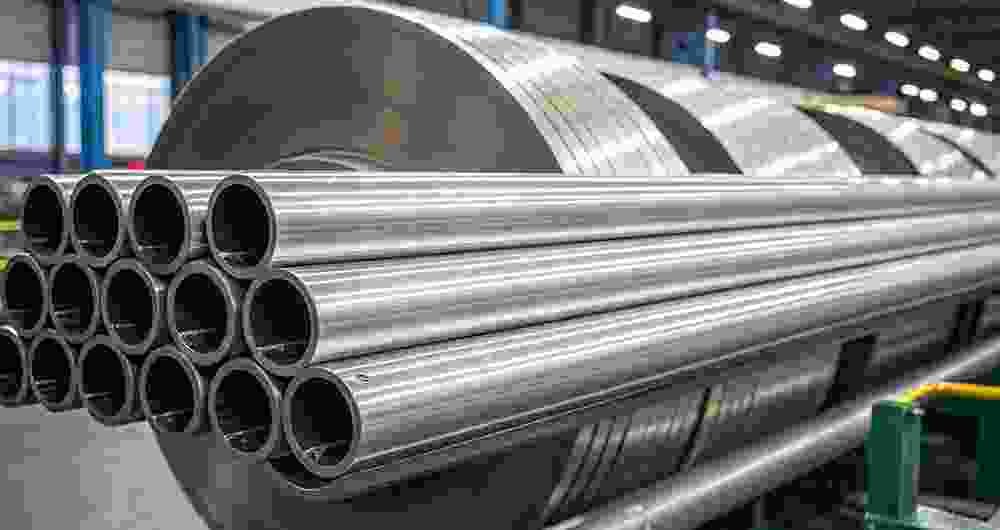
A Quality Control Inspector is responsible for ensuring that products meet defined quality standards before reaching customers. This role focuses on inspecting materials, components, and finished goods to maintain consistency and reliability. The primary duty of a Quality Control Inspector is to perform regular inspections using established guidelines, drawings, and specifications. These inspections help identify defects and deviations early in the production process. Quality Control Inspectors work closely with production teams to verify that manufacturing activities comply with quality requirements and operational standards. Documentation is a key responsibility.
Quality Monitoring
Quality Control Inspectors support defect prevention by identifying recurring quality issues and reporting them for corrective action. Incoming material inspection is often handled by Quality Control Inspectors to verify supplier quality and prevent nonconforming materials from entering production. In-process inspections are conducted to monitor quality during manufacturing, helping to reduce rework and production delays. Final product inspections are performed to confirm that finished goods meet customer specifications before packaging and dispatch.
Visual Inspection
Uses measuring tools and inspection equipment accurately.
Works closely with production teams on quality issues.
Ensures adherence to quality control procedures.
Follows industry and company quality standards.
Inspects raw materials, in-process, and finished products.
Ensures final product approval before dispatch.
Compliance Checking
Effective communication is essential for Quality Control Inspectors. They coordinate with supervisors, engineers, and quality teams to resolve quality concerns efficiently. Quality Control Inspectors contribute to continuous improvement efforts by sharing inspection data and suggesting process enhancements.
You can apply for an industry career position by submitting your updated resume through our careers page or official recruitment channels.
Qualifications for an industry career typically include a relevant diploma, ITI, or degree in engineering, manufacturing, or industrial disciplines.
The work environment in the industrial sector is structured, safety-focused, and team-oriented, with an emphasis on efficiency and quality.