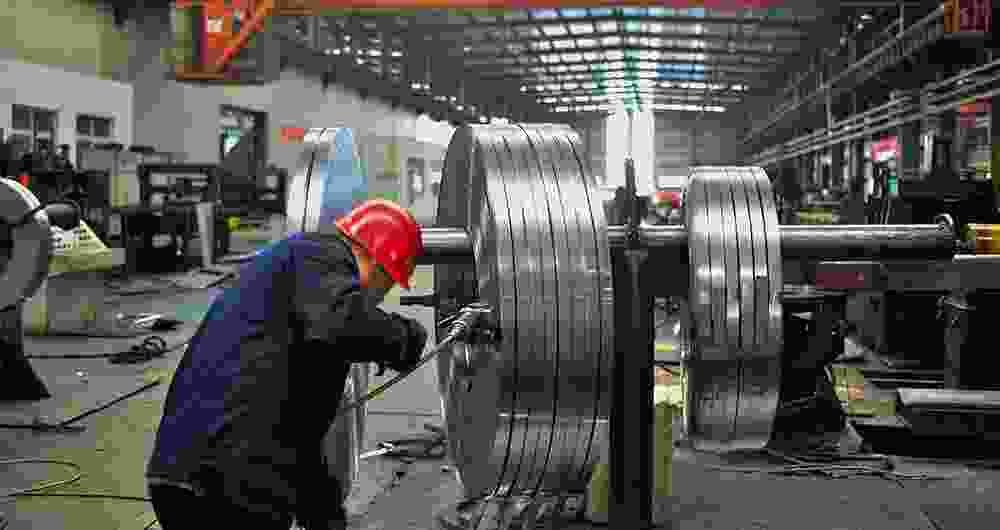
A Production Planner plays a vital role in manufacturing and industrial operations by ensuring that production processes run smoothly and efficiently. This role focuses on balancing demand, resources, and timelines to meet organizational goals without compromising quality. The primary responsibility of a Production Planner is to develop detailed production schedules based on customer demand, inventory levels, and capacity availability. These schedules help organizations deliver products on time while minimizing delays and bottlenecks. Production Planners collaborate closely with departments such as procurement, engineering, quality, and logistics.
Industrial Planning
They oversee inventory management, ensuring raw materials, components, and finished goods are available as needed to prevent production delays. Production Managers are responsible for process optimization. They identify bottlenecks, implement improvements, and adopt best practices to enhance efficiency and reduce waste.
Ensuring Quality Standards
Develops and implements production schedules for optimal workflow and output.
Monitors performance metrics to improve productivity and operational efficiency.
Ensures adherence to quality standards across all production lines.
Manages resources effectively to reduce costs and maximize output.
Develops strategies to optimize labor utilization and minimize downtime.
Reviews production reports and develops actionable insights for improvement.
Enhancing Process Performance
Quality control is an essential part of the role. Production Managers ensure products meet or exceed industry standards, and they coordinate corrective actions when defects are identified. They manage production costs by monitoring labor, material, and overhead expenses, implementing cost-saving measures without compromising quality or safety.
You can apply for an industry career position by submitting your updated resume through our careers page or official recruitment channels.
Qualifications for an industry career typically include a relevant diploma, ITI, or degree in engineering, manufacturing, or industrial disciplines.
The work environment in the industrial sector is structured, safety-focused, and team-oriented, with an emphasis on efficiency and quality.