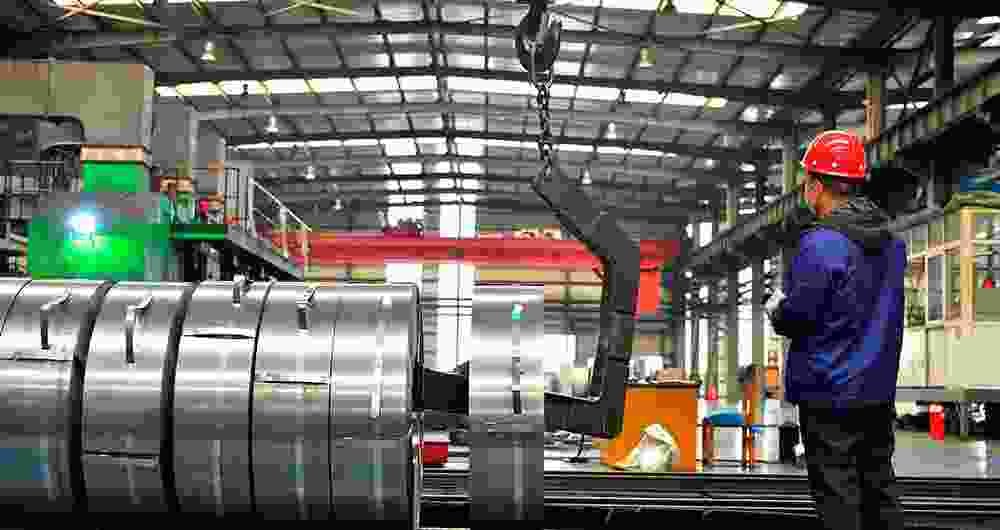
A Line Supervisor is responsible for overseeing day-to-day operations on the production floor, ensuring that manufacturing processes run smoothly and efficiently. They act as a bridge between management and shop-floor employees, translating production goals into actionable tasks. Line Supervisors monitor production activities to ensure adherence to schedules, quality standards, and safety protocols. They maintain a consistent workflow and address any disruptions promptly to minimize downtime. They coordinate with team members, assigning responsibilities and monitoring individual performance to achieve collective targets. Ensuring product quality is a major responsibility.
Quality Monitoring
Line Supervisors are responsible for enforcing workplace safety. They ensure all employees comply with safety regulations, use protective equipment, and follow standard operating procedures to prevent accidents. They track production metrics, maintain reports, and communicate performance data to higher management. This helps in decision-making, identifying bottlenecks, and planning future production cycles.
Shift Management
Oversees daily production activities to ensure targets and deadlines are met efficiently.
Monitors workflow and assigns tasks to optimize team performance and output.
Trains and guides team members to maintain high productivity and safety.
Maintains inventory levels and ensures timely material availability.
Enforces workplace safety regulations to minimize accidents and risks.
Collaborates with cross-functional teams to resolve production issues.
Efficiency Improvement
Training and development of team members fall under their purview. Line Supervisors mentor new employees, provide on-the-job training, and help develop the skills of existing staff. They play a critical role in problem-solving, quickly addressing operational issues, machinery breakdowns, or resource shortages to keep production uninterrupted.
You can apply for an industry career position by submitting your updated resume through our careers page or official recruitment channels.
Qualifications for an industry career typically include a relevant diploma, ITI, or degree in engineering, manufacturing, or industrial disciplines.
The work environment in the industrial sector is structured, safety-focused, and team-oriented, with an emphasis on efficiency and quality.